Bitcoin’s Growing Acceptance Among Retail Businesses
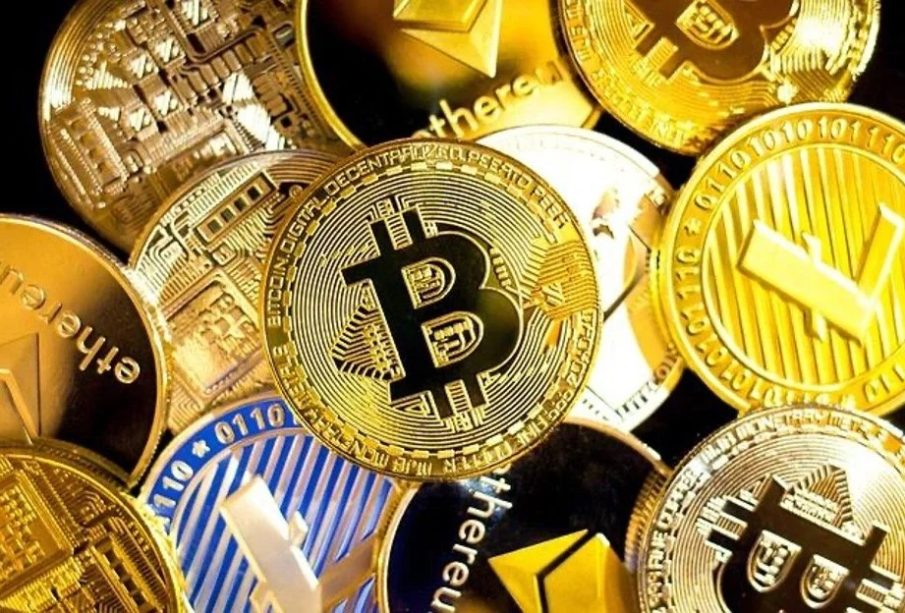
Bitcoin has moved well beyond its early reputation as a niche digital experiment. Today, it is steadily gaining traction in the retail sector, where businesses are integrating it as a legitimate payment option. From independent boutiques to global e-commerce brands, retailers are responding to consumer demand for faster, borderless, and technology-driven transactions.
The increasing acceptance of Bitcoin reflects broader shifts in payment behavior, financial technology adoption, and evolving customer expectations.
Why Retailers Are Embracing Bitcoin
Retail businesses operate in an environment defined by tight margins and intense competition. Payment efficiency and customer convenience can directly influence profitability. Bitcoin offers several advantages that make it appealing to forward-thinking retailers.
Lower Transaction Costs
Traditional credit card networks often charge processing fees ranging between 2% and 4% per transaction. In contrast, Bitcoin transactions—particularly when processed through modern payment gateways—can reduce these costs significantly.
For businesses handling high volumes of sales, even marginal savings on transaction fees can translate into meaningful financial gains over time.
Access to a Global Customer Base
Bitcoin operates without geographical restrictions. Retailers accepting Bitcoin can serve international customers without dealing with currency conversion fees or cross-border banking delays.
This is especially valuable for:
-
Online retailers with global shipping capabilities
-
Digital product sellers
-
Businesses in regions with limited access to international payment infrastructure
Faster Settlement Times
Unlike traditional banking systems that may take days to settle cross-border payments, Bitcoin transactions can settle within minutes. While confirmation times vary depending on network activity, settlement is generally faster than many legacy systems.
For small retailers, improved cash flow speed can enhance operational flexibility.
Reduced Chargeback Risk
Credit card fraud and chargebacks cost retailers billions annually. Bitcoin transactions, once confirmed, are irreversible. This significantly lowers the risk of fraudulent payment disputes.
For businesses frequently impacted by chargeback abuse, this feature alone can be transformative.
Industries Leading the Adoption
Bitcoin adoption in retail is not uniform across all sectors. Some industries are more receptive due to customer demographics and transaction types.
E-commerce and Online Retail
Digital-first brands have been among the earliest adopters. Their tech-savvy audiences are more likely to hold cryptocurrency and prefer decentralized payment options.
Electronics and Technology Stores
Retailers selling hardware, software, and consumer electronics often align with customers interested in innovation and digital assets.
Travel and Hospitality
Certain travel agencies and booking platforms have introduced Bitcoin as a payment option, catering to international travelers who value borderless payments.
Food and Beverage Outlets
Independent cafés and restaurants in major cities increasingly display “Bitcoin Accepted Here” signage, reflecting grassroots-level adoption.
Payment Infrastructure Making It Possible
Retailers rarely handle Bitcoin transactions manually. Instead, they rely on third-party payment processors that simplify integration and reduce volatility risk.
These services typically:
-
Convert Bitcoin instantly into local currency
-
Provide point-of-sale integration
-
Manage compliance and reporting requirements
-
Offer QR-based checkout systems
By minimizing technical complexity, such platforms make Bitcoin adoption accessible even for small businesses without dedicated IT teams.
Consumer Demand Driving Adoption
Retailers respond to demand signals. The growth of cryptocurrency ownership worldwide has created a customer segment that prefers to spend digital assets rather than convert them into fiat currency.
Key consumer motivations include:
-
Preference for decentralized financial systems
-
Faster international transactions
-
Privacy considerations
-
Alignment with emerging financial technologies
Businesses that accept Bitcoin often position themselves as innovative and customer-centric, appealing particularly to younger demographics.
Challenges Retailers Still Face
Despite the benefits, Bitcoin adoption is not without obstacles.
Price Volatility
Bitcoin’s price fluctuations can be significant. Retailers that hold Bitcoin instead of converting it immediately assume market risk. While some view this as an investment opportunity, others see it as unnecessary exposure.
Regulatory Uncertainty
Cryptocurrency regulations vary widely across jurisdictions. Retailers must ensure compliance with tax reporting, anti-money laundering requirements, and consumer protection laws.
Limited Consumer Awareness
Although cryptocurrency ownership is rising, it still represents a minority of global consumers. For some retailers, the demand may not yet justify integration costs.
Technical Integration Barriers
Even with payment processors simplifying the process, integration requires system updates, staff training, and workflow adjustments.
Bitcoin as a Competitive Differentiator
For many retailers, accepting Bitcoin is not solely about payment efficiency. It is also a branding strategy.
Businesses that adopt cryptocurrency payments often:
-
Signal technological leadership
-
Attract media attention
-
Appeal to early adopters and digital communities
-
Build reputation as innovative enterprises
In competitive retail markets, differentiation can influence customer loyalty and word-of-mouth marketing.
The Role of Institutional Legitimacy
Bitcoin’s broader legitimacy has increased as publicly traded companies and institutional investors entered the market. Corporate adoption has helped normalize cryptocurrency as a financial asset rather than a speculative novelty.
As infrastructure matures and regulatory clarity improves, retail participation is expected to expand further.
The Road Ahead
Bitcoin’s integration into retail commerce reflects an ongoing transformation in how value is exchanged. While it is unlikely to replace traditional payment systems in the near term, it is carving out a distinct role in digital commerce.
Future growth will depend on:
-
Continued improvement in payment scalability
-
Regulatory harmonization
-
Stable user-friendly payment solutions
-
Consumer education
Retail businesses that monitor these developments and adapt strategically may gain early advantages in an evolving financial landscape.
FAQ
1. How does a retailer start accepting Bitcoin?
Retailers typically partner with a cryptocurrency payment processor that integrates with existing point-of-sale or e-commerce systems. Setup often involves creating a merchant account, installing software, and enabling QR code-based transactions.
2. Are Bitcoin transactions secure for retail businesses?
Yes. Bitcoin uses blockchain technology, which records transactions on a decentralized ledger. Once confirmed, transactions cannot be reversed, reducing fraud risks.
3. Do retailers need to hold Bitcoin after accepting it?
No. Many payment processors automatically convert Bitcoin into the retailer’s local currency at the time of sale, eliminating exposure to price volatility.
4. Is accepting Bitcoin legal everywhere?
Cryptocurrency regulations differ by country. Retailers must check local laws regarding taxation, reporting requirements, and compliance obligations before offering Bitcoin payments.
5. Does accepting Bitcoin increase sales?
In some cases, yes. It can attract a niche but growing customer base and enhance brand perception as innovative and forward-thinking.
6. How are Bitcoin payments taxed?
Tax treatment depends on jurisdiction. In many regions, Bitcoin transactions are treated as property transactions or taxable events. Retailers should consult tax professionals to ensure compliance.
7. Will Bitcoin replace traditional payment systems in retail?
While Bitcoin adoption is expanding, it currently functions as a complementary payment option rather than a replacement for traditional credit cards or digital wallets.